

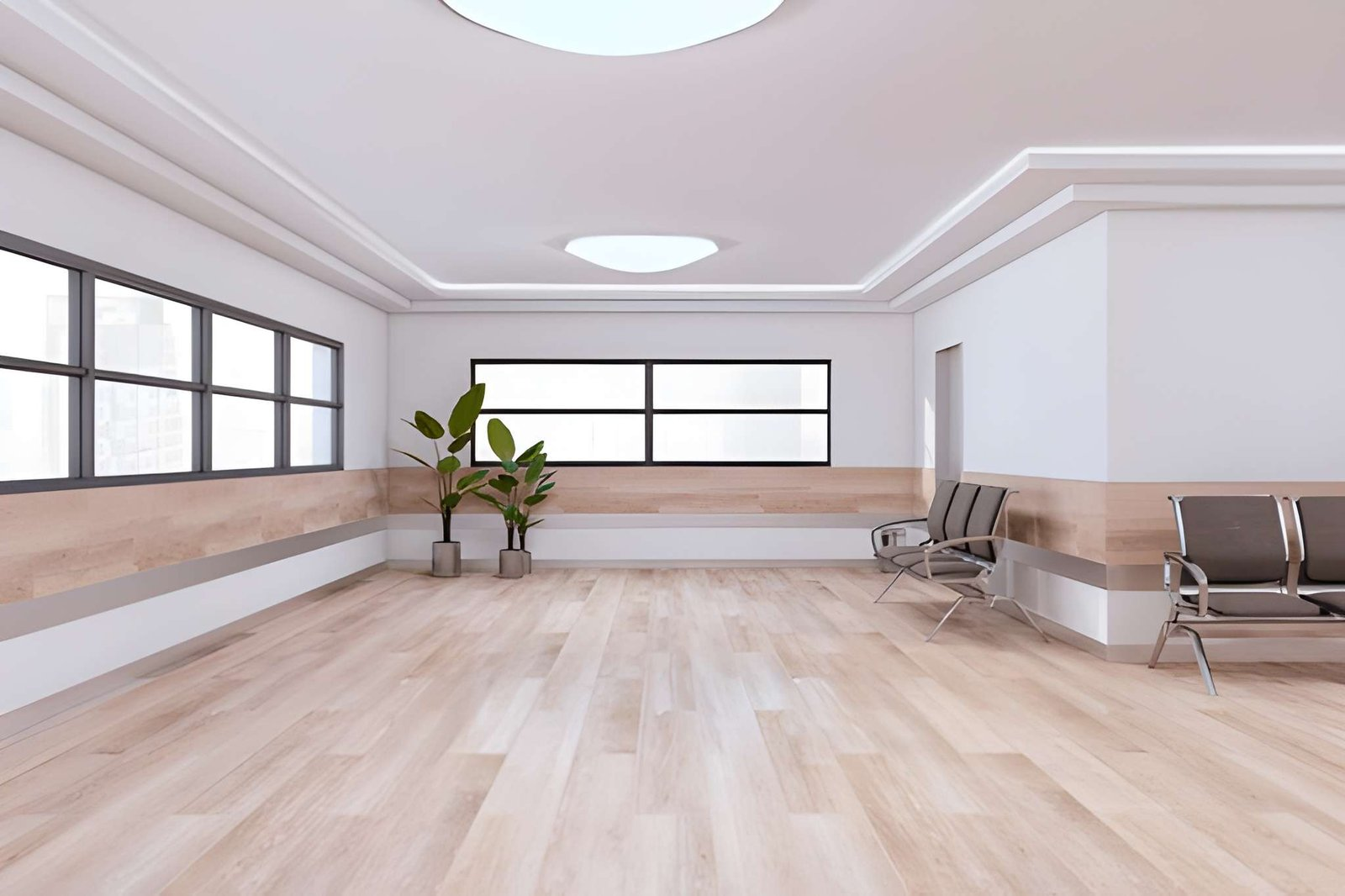
Flooring in a high-traffic area doesn’t get a break. The entryway takes mud, rain, and grit every single day. The kitchen floor handles spills, dropped utensils, and constant foot traffic from morning to night. The hallway connecting bedrooms gets walked dozens of times daily by everyone in the house — including pets.
Most flooring looks fine in a showroom. The real test is how it holds up after three years of actual use in the rooms where American families live hardest.
Choosing the best flooring for high-traffic areas isn’t about finding the most expensive option or the one that photographs well. It’s about matching material properties — hardness, water resistance, scratch resistance, and ease of repair — to the specific demands of each space.
This guide covers every major flooring type available to US homeowners, ranked honestly for high-traffic performance. It includes durability data, maintenance requirements, cost ranges, and a clear breakdown of which flooring works where — so you can make a decision based on how your home actually functions, not how a showroom floor looks under perfect lighting.
Why High-Traffic Flooring Fails Early
Most flooring failures in high-traffic areas aren’t manufacturing defects. They’re mismatches between material properties and real-world conditions.
| Failure Type | Common Cause | Flooring Most Affected |
|---|---|---|
| Surface scratching | Grit, pet nails, furniture dragging | Hardwood, LVP with thin wear layer |
| Water damage / warping | Spills, wet shoes, humidity | Hardwood, laminate, low-quality LVP |
| Edge wear and chipping | Heavy foot traffic, dropped items | Ceramic tile, laminate |
| Fading and discoloration | UV exposure, harsh cleaners | Carpet, low-grade LVP, some hardwood |
| Grout deterioration | Moisture, cleaning neglect | Ceramic and porcelain tile |
| Delamination | Moisture under floor, poor install | Laminate, low-quality LVP |
Understanding which failure mode applies to your space — a wet entryway versus a dry hallway versus a busy kitchen — is more useful than a simple “most durable” ranking.
Best Flooring for High-Traffic Areas: Material by Material
Porcelain Tile
Porcelain tile is the most objectively durable flooring available to American homeowners. It scores a 5 on the Mohs hardness scale, is virtually impervious to water, and won’t scratch, stain, or fade under normal residential use. Properly installed with quality grout, a porcelain tile floor in a high-traffic entryway or kitchen can last 50+ years without replacement.
The tradeoffs are real: it’s cold underfoot, hard on legs during long standing periods, unforgiving when dishes or glasses drop, and expensive to install — typically $8–$20 per square foot installed in the US.
Best for: Entryways, kitchens, mudrooms, bathrooms, any area with consistent moisture exposure.
Luxury Vinyl Plank (LVP)
LVP has replaced laminate as the dominant mid-range flooring choice in American homes — and for good reason. Quality LVP with a wear layer of 12 mil or above is waterproof, scratch-resistant, and comfortable underfoot in a way that tile isn’t. It installs faster than tile, costs less, and handles the abuse of high-traffic areas well when the wear layer is thick enough.
The critical variable is wear layer thickness:
| LVP Wear Layer | Durability | Best Application |
|---|---|---|
| 6 mil | Low — scratches easily | Low-traffic bedrooms only |
| 8 mil | Moderate | Light residential traffic |
| 12 mil | Good | Standard residential high-traffic |
| 20 mil | Very good | Heavy residential, pets, kids |
| 28–40 mil | Excellent | Commercial-grade, maximum durability |
For most American homes with kids, pets, or heavy daily use, 20 mil minimum is the practical standard. Brands like LifeProof (Home Depot exclusive), COREtec, and Shaw’s Floorté line offer reliable 20 mil options at $3–$7 per square foot before installation.
Best for: Living rooms, hallways, kitchens, basements, any area needing waterproof performance with a wood look.
Hardwood
Solid hardwood remains one of the most desirable flooring options in American homes — for resale value, feel, and longevity when properly maintained. The durability story is more complicated than it appears, though.
Hardwood scratches. It dents. It warps with moisture. In genuinely high-traffic wet areas — kitchens, mudrooms, entryways in wet climates — hardwood is a poor choice regardless of finish quality. In high-traffic dry areas — living rooms, dining rooms, hallways — it performs well and improves with refinishing over decades.
The Janka hardness rating measures resistance to surface denting:
| Wood Species | Janka Rating | Relative Hardness |
|---|---|---|
| Pine | 870 | Soft — avoid high-traffic |
| American Cherry | 950 | Soft-medium — bedrooms only |
| Red Oak | 1,290 | Standard — most common US choice |
| White Oak | 1,360 | Good — better than red for traffic |
| Hickory | 1,820 | Hard — excellent for traffic |
| Brazilian Walnut (Ipe) | 3,680 | Extremely hard — maximum durability |
Best for: Living rooms, dining rooms, dry hallways, bedrooms. Not recommended for kitchens, mudrooms, or basements.
Laminate
Laminate was the affordable alternative to hardwood through the 2000s and 2010s. LVP has largely replaced it for high-traffic use because laminate’s core weakness — it cannot get wet without warping — is a real liability in any area near an entry, kitchen, or bathroom.
For dry high-traffic areas on a tight budget, laminate with an AC4 or AC5 rating (the European standard for commercial durability) holds up reasonably well. AC3 is the minimum for residential high-traffic use.
Best for: Dry bedrooms and living rooms on a budget. Not recommended for kitchens, entryways, or any moisture-prone space.
Carpet
Carpet in high-traffic areas is a maintenance commitment most American homeowners underestimate. It traps allergens, shows wear paths within a few years in busy hallways, and is difficult to clean thoroughly after spills. Solution-dyed nylon carpet holds up better than polyester in traffic — but neither competes with hard flooring for longevity in genuinely high-use spaces.
Where carpet still makes sense: bedrooms, home offices, and finished basements where comfort and acoustics matter more than traffic durability.
Best for: Bedrooms, low-traffic sitting rooms. Not recommended for entryways, hallways, or kitchens.
High-Traffic Flooring by Room: The Practical Breakdown
| Room | Best Choice | Second Choice | Avoid |
|---|---|---|---|
| Entryway / Mudroom | Porcelain tile | LVP 20 mil+ | Hardwood, carpet, laminate |
| Kitchen | Porcelain tile | LVP 20 mil+ | Hardwood, laminate, carpet |
| Living Room | White oak hardwood | LVP 20 mil+ | Low-grade laminate, carpet |
| Hallway | LVP 20 mil+ | Porcelain tile | Carpet, thin laminate |
| Basement | LVP 20 mil+ | Porcelain tile | Hardwood, standard laminate |
| Dining Room | Hardwood | Porcelain tile | Carpet |
| Bedroom | Hardwood | Carpet (nylon) | Tile (cold, hard) |
| Home Office | LVP or hardwood | Carpet | Porcelain tile |
For practical installation guides and cost comparisons broken down by US region and home type, https://homesblogs.co/
covers flooring decisions with the specificity that manufacturer websites rarely provide.
Cost Comparison: Best Flooring for High-Traffic Areas
| Flooring Type | Material Cost (per sq ft) | Installation Cost (per sq ft) | Total Installed Range | Lifespan |
|---|---|---|---|---|
| Porcelain tile | $2–$10 | $6–$14 | $8–$24 | 50+ years |
| LVP (20 mil+) | $3–$7 | $2–$5 | $5–$12 | 15–25 years |
| Solid hardwood | $5–$15 | $4–$8 | $9–$23 | 50+ years (refinishable) |
| Engineered hardwood | $4–$12 | $3–$7 | $7–$19 | 25–30 years |
| Laminate (AC4+) | $1–$4 | $2–$4 | $3–$8 | 10–15 years |
| Carpet (nylon) | $2–$6 | $1–$3 | $3–$9 | 8–12 years |
Frequently Asked Questions
What is the most durable flooring for a home with dogs in the US?
LVP with a 20 mil or higher wear layer is the most practical choice for dog owners. It resists scratching from nails better than hardwood, is fully waterproof for accidents, and is significantly more comfortable underfoot than tile. Porcelain tile is more scratch-resistant but cold and hard on older dogs’ joints.
Is LVP or hardwood better for high-traffic areas?
Depends on moisture exposure. In wet or moisture-prone high-traffic areas — kitchens, entryways, mudrooms — LVP outperforms hardwood clearly. In dry high-traffic areas — living rooms, dining rooms — hardwood matches or exceeds LVP for long-term performance and adds more resale value.
What flooring adds the most resale value in the US?
Solid hardwood — particularly white oak — consistently adds the most measurable resale value in American real estate. LVP is increasingly accepted by buyers, especially in lower and mid-range markets, but hardwood remains the standard in premium listings.
How long does LVP last in a high-traffic area?
Quality LVP with a 20 mil wear layer typically lasts 15–25 years in residential high-traffic conditions with normal maintenance. Lower wear layer products degrade significantly faster — 6 mil LVP in a busy entryway may show visible wear within 3–5 years.
The Bottom Line
The best flooring for high-traffic areas depends on two variables: moisture exposure and budget. For wet high-traffic zones, porcelain tile is the most durable choice and LVP with 20 mil+ wear layer is the most practical. For dry high-traffic zones, white oak hardwood offers the best combination of durability, feel, and long-term value.
The worst decision isn’t choosing the wrong material — it’s choosing the right material in the wrong grade. Thin-wear-layer LVP, low-AC laminate, and soft wood species all fail faster than their categories suggest. Spend on the grade, not just the category.